FIELD NOTE 01
Find the limiting handoff
A slow run can come from field work, collection, capacity, processing, cash or access. Name which handoff is stopping the next meaningful action.
Only then compare purchases. A large improvement outside the bottleneck can remain poor timing even when the upgrade itself is strong.
FIELD NOTE 02
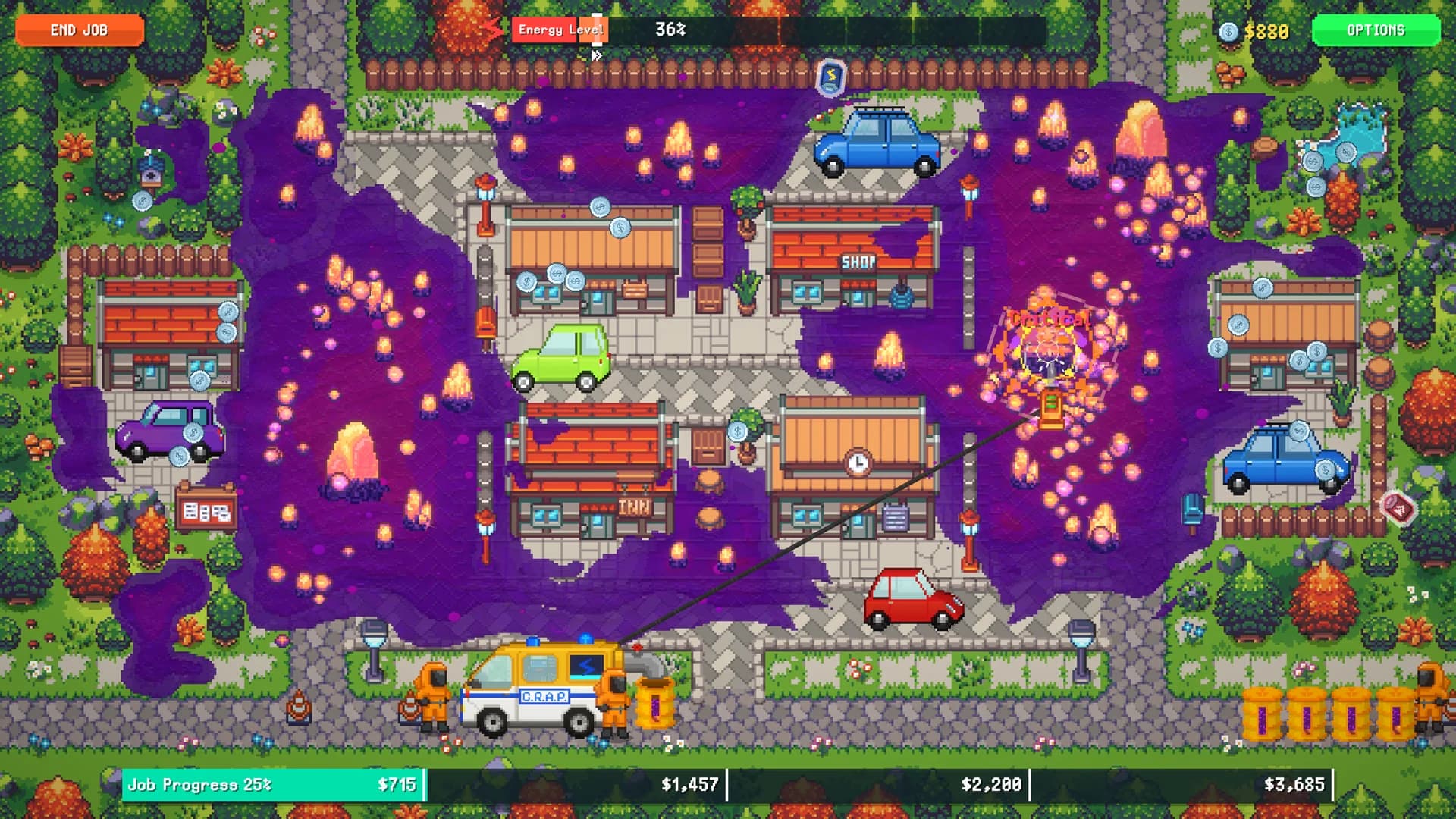
Choose between investing and pushing
Invest when an upgrade removes a repeated constraint with a reasonable payback. Push when the next area or quest may unlock a new system, better opportunity or required objective.
Because exact launch pacing is not verified yet, this guide does not claim a universal threshold. Use the current objective and your own rates.
- What action is blocked?
- Can an upgrade remove it now?
- Does the next unlock change the opportunity set?
- Are you comparing current-build values?
FIELD NOTE 03
Revisit earlier work deliberately
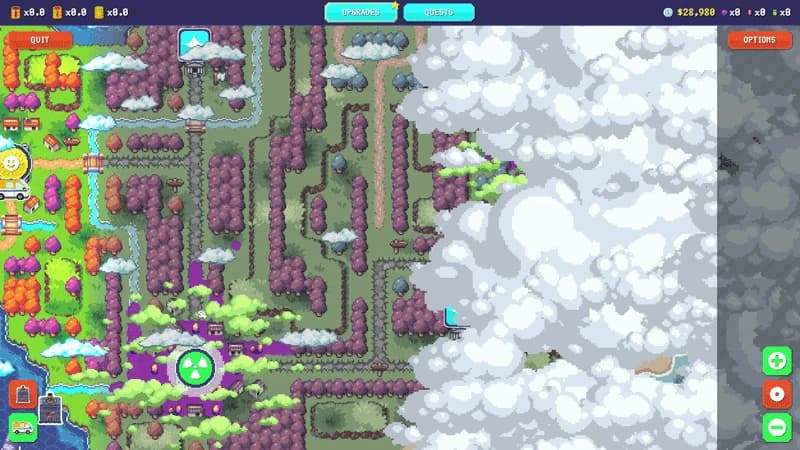
Returning can make sense when new capability changes speed, capacity or completion value. It is not automatically the best money farm.
Estimate the likely return and the opportunity cost of delaying new content. If the comparison depends on unverified rates, label it as your observation rather than site-wide meta advice.
FIELD NOTE 04
Current achievement progression anchors
Satisfied Customer, Side Gig and Regional Expansion establish jobs, quests and region unlocks as current goals. Pollution Solution establishes a game-completion target, while Completionist separately requires purchasing all upgrades.
These conditions do not prove one strict order, an exact region catalog or a complete quest list. They do provide current anchors for diagnosing where progression is blocked.
- Satisfied Customer — Complete a job
- Side Gig — Complete a quest
- Regional Expansion — Unlock a region
- Pollution Solution — Complete the game
- Completionist — Purchase all upgrades
FIELD NOTE 05
Levels & Areas and Level Completion
The Levels & Areas guide separates current region-unlock evidence from unknown names and order. The Level Completion guide keeps the reported 100% and next-map behavior in a DEMO-BUILD EVIDENCE · NEEDS CURRENT RECHECK block rather than a full-release guarantee.
Use the Demo/full-game comparison whenever a conclusion depends on historical scope or balance. Together, these pages narrow the blocker before you grind, invest or repeat a job.
FIELD NOTE 06
Main game and completionist pacing
Developer Andy Wiltshire estimates about four hours for the main game, then roughly two to three additional hours for completionist play depending on strategy. The extra time fits the difference between finishing the game and pursuing broader goals such as purchasing every upgrade.
That estimate describes duration, not a required route. Use the Game Length page for the source hierarchy and the approximate derived total, then use achievements and current objectives to define what completion means for your run.
EVIDENCE LOG