FIELD NOTE 01
Your first useful observation
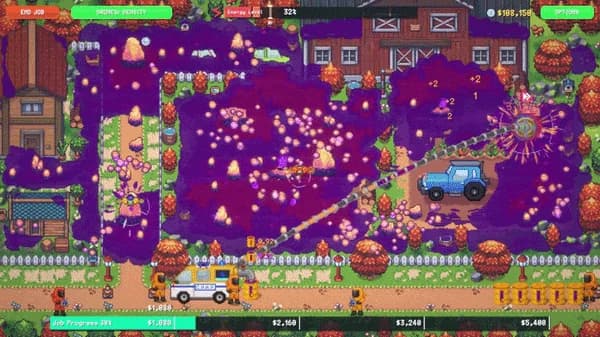
Watch what changes while you clean. The official loop says jobs produce cash and resources, but those outcomes serve different decisions. Cash supports purchases; resources and processed materials connect to other systems.
Do not assume a universal early route without current tree and cost data. Your first goal is to identify the constraint you can actually see.
FIELD NOTE 02
A simple upgrade check
Before buying, note the cost, the current value and the upgraded value. Subtract to get the gain. Divide cost by gain for a payback measure only when both rates use the same unit.
If the upgraded value is not better, or if it affects a different system, leave it out of the numerical ranking and compare the qualitative benefit separately.
- What does this purchase change?
- Is that system slowing me now?
- How many matching rate units repay the cost?
- Will an unlock or quest matter more first?
FIELD NOTE 03
Where the refinery fits
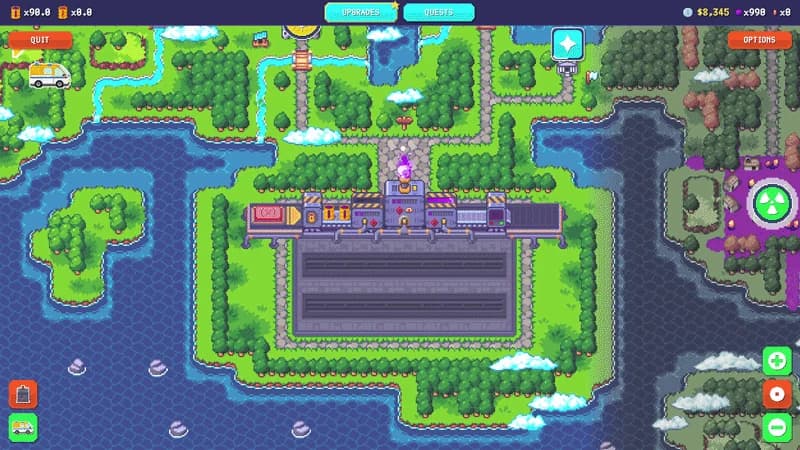
Refining is a processing stage between collection and later value. Learn its inputs and outputs from your current game screen, not from an invented launch table.
If input accumulates while machines sit busy, processing may be the constraint. If machines wait empty, field collection may deserve attention first.
FIELD NOTE 04
What remains data-gated in the live build
Exact upgrade values, recipes, quest details and region order remain intentionally absent until current evidence exists. The 25 official achievement requirements are now available in their own complete guide.
Use custom Tracker items for in-game objectives and the achievement tracker for the verified official list; neither tool uploads an account or invents hidden data.
EVIDENCE LOG