FIELD NOTE 01
LAUNCH-CONFIRMED TERMINOLOGY
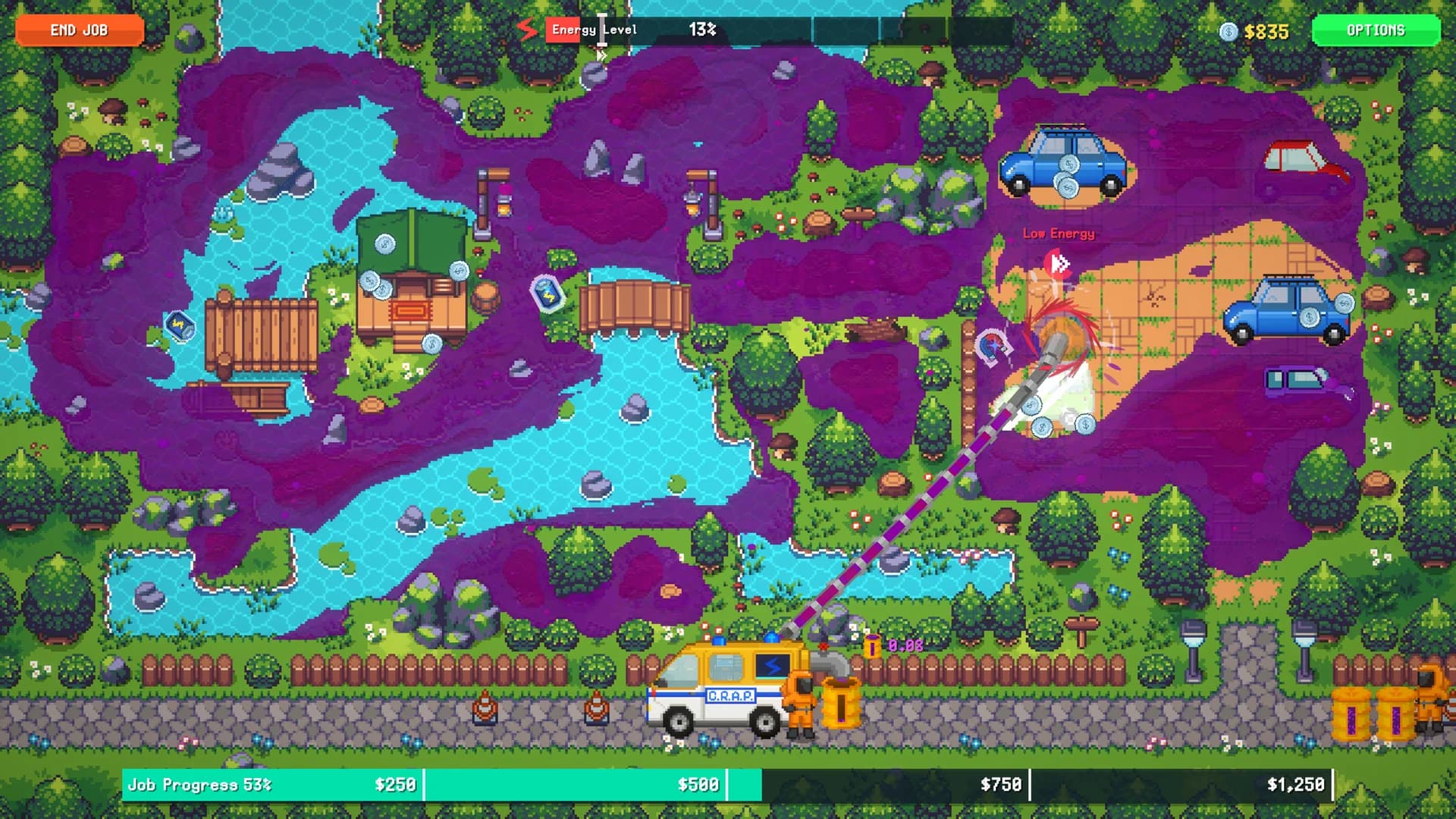
The current official achievement registry names batteries, barrels of pollution, Zorkite crystals, cash, gold coins and diamonds. It also names Vexon gas clouds, vents, safes and bonus objects as related field objectives.
These names confirm entities and achievement conditions. They do not establish every acquisition method, spending use or refinery relationship.
- battery / batteries
- barrels / barrels of pollution
- Zorkite crystals
- cash
- gold coins
- diamonds
- Vexon gas clouds
- vents, safes and bonus objects
FIELD NOTE 02
Build a useful resource note
For any item visible in your game, record the exact name, acquisition method, current use, refinery relation and verification date. Avoid filling blanks from memory or a historical demo discussion.
An image or current screen can support spelling and context, but a database entry still needs a player problem: where to get it, what consumes it or why it matters.
- Exact current name
- Where or how acquired
- What consumes it
- Refinery input or output
- Quest or upgrade relation
FIELD NOTE 03
Follow the processing handoff
An item sitting unused may mean processing is blocked, not that collection is weak. Conversely, idle processing may mean the field cannot supply enough input.
Measure the queue and the output you need before buying capacity or rate. This is the same bottleneck reasoning used on the refinery and money pages.

FIELD NOTE 04
Historical purple/goop terminology remains unresolved
Demo feedback describes a purple, barrel-like progression resource that can become a bottleneck, but that wording is not an authoritative full-game name. Current Zorkite and diamond achievements do not prove either entity is the same resource.
The unknown candidate still has no public slug. Promotion requires an exact current label, acquisition method, what it gates, related upgrades and practical bottleneck guidance.
EVIDENCE LOG